

Standards matter.
Whether it’s your first home, a house flip, where you see yourself retiring or any other timeline in between, knowing that your new home is sound makes all the difference.
-
Buying or maintaining a home is a big investment, and the structural components are what keep everything safe and sound. Below you’ll find what we check.
Foundations
The foundation is the base of your home, so we take a close look for cracks, settling, and signs of water intrusion. Uneven floors, sticking doors, or gaps around windows often start here.
Floors
Floors should feel solid underfoot. We check for sagging, sloping, or “bouncy” spots. Subflooring, beams and joists should feel strong and safe with each step.
Walls
Walls do more than divide rooms—they also hold up your roof and floors. We look for cracks, water stains, or bulging areas. On the outside, we check siding, brick, or stucco for wear and tear. Inside, we’re also on the lookout for signs of pests or hidden moisture.
Ceilings
Your ceilings can tell a story about what’s happening above. We look for stains, cracks, and sagging, which often point to roof leaks, plumbing issues, or poor ventilation. A ceiling in good condition means fewer surprises down the road.
Roof
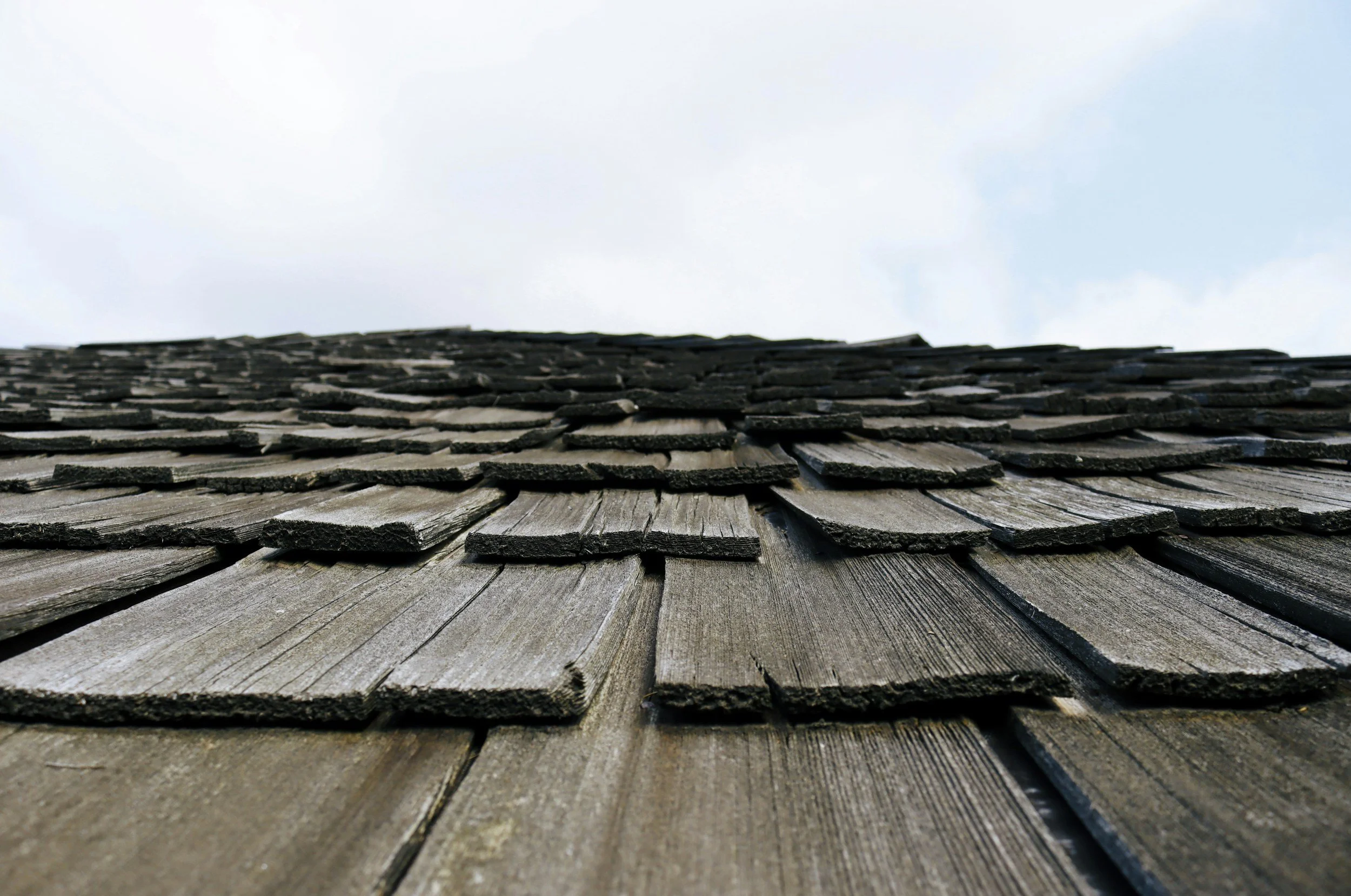
Your roof is your home’s first line of defense against the elements. We examine the shingles, flashing, and gutters, making sure everything is secure and draining properly. We also check ventilation and give you an idea of how much life your roof has left.
-
The outside of your home is just as important as what’s inside. Exterior components protect against the elements, add curb appeal, and keep your home accessible.
Exterior Walls & Coverings
We check siding, brick, stucco, and other wall coverings for cracks, gaps, rot, or damage. These materials shield your home from weather and pests, so keeping them in good shape prevents bigger issues inside.
Flashing & Trim
Flashing and trim help direct water away from your home. We look for missing, loose, or damaged pieces that could let moisture seep into walls or around windows and doors.
Exterior Doors (Including Garage Doors & Operators)
We inspect all exterior doors to ensure they open, close, and seal properly. Garage doors and their openers are also tested for safe, smooth operation.
Windows
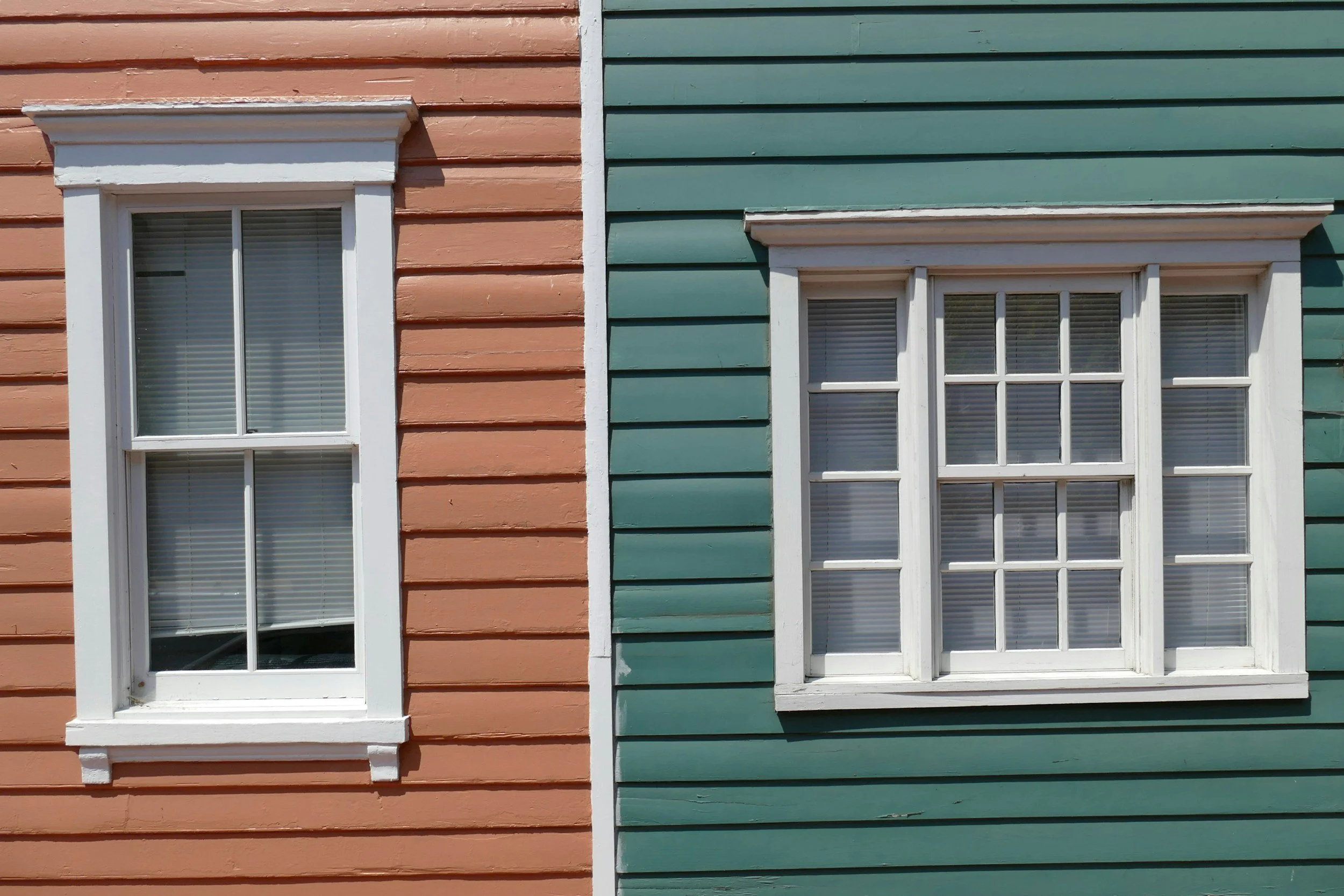
Windows are checked for cracks, broken seals, or damaged frames. We also note how well they open, close, and lock.
Decks, Balconies, Porches, Stoops, Steps & Railings
We carefully examine attached or adjacent structures like decks and porches for stability, safety, and rot or rust. Railings, steps, and stoops are also inspected to make sure they’re secure.
Walkways, Patios & Driveways
We look for cracks, uneven surfaces, and drainage issues that could pose tripping hazards or cause water to pool near your home’s foundation.
Retaining Walls
Retaining walls are inspected for cracks, leaning, or bulging, which can signal pressure buildup or poor drainage. A stable retaining wall helps prevent soil erosion and protects your landscaping and structures.
-
Your roof is your home’s first line of defense against the elements. During an inspection, we look closely at every part of the roofing system to make sure it’s protecting your home the way it should.
Roofing Surface
We examine shingles, tiles, metal, or other roofing materials for signs of wear, damage, or aging. Missing, cracked, or curling materials are flagged, along with any areas that may need repair or replacement.
Roof Drainage System
Gutters and downspouts play a big role in keeping water away from your home. We check that they’re properly secured, free of clogs, and directing water safely away from the foundation.
Flashings
Flashings are the protective seals around roof edges, valleys, and junctions. We look for rust, gaps, or improper installation that could let water seep into your home.
Skylights
Skylights are inspected for cracks, leaks, or poor seals. We make sure they’re watertight and functioning properly without allowing drafts or moisture inside.
Chimneys & Roof Penetrations
We inspect the exterior of chimneys and other roof penetrations—such as vents, flues, and pipes—for cracks, gaps, and signs of water intrusion. Proper sealing here is critical to prevent leaks.
-
Your plumbing system keeps your home running smoothly, from clean water for bathing to safe removal of waste. During an inspection, we examine all key parts to ensure your system is working properly and safely.
Water Supply & Distribution
We check the water supply and distribution systems to ensure proper pressure and flow throughout your home. Faucets, valves, and visible piping are inspected for leaks, corrosion, or other issues that could affect performance.
Functional Flow & Drainage
We test sinks, tubs, showers, and drains to make sure water flows freely and waste is properly carried away. Functional drainage testing helps identify clogs, slow-draining fixtures, or venting issues.
Exterior Fixtures & Faucets
Outdoor faucets, hose bibs, and irrigation connections are examined for leaks, proper operation, and freeze protection where applicable.
Drain, Waste & Vent (DWV) Systems
We inspect sewer and vent piping for proper slope, signs of blockages, leaks, or damage. Venting is crucial for safe and efficient wastewater removal.
Water Heating Systems
We evaluate water heaters for proper installation, leaks, corrosion, and age. This includes checking temperature/pressure relief valves and ensuring safe operation.
Combustion Vent & Fuel Systems
For homes with gas appliances, we inspect combustion venting, gas supply lines, and related piping to make sure everything is safely installed and functioning as intended.
Pumps & Related Systems
Drainage sumps, sump pumps, and ejector pumps are tested to ensure they’re working correctly. Piping and discharge systems are also checked for proper installation and leaks.
Active Leaks
Any visible leaks—whether in supply lines, drains, or fixtures—are documented. Early detection helps prevent water damage and costly repairs.
-
Your home’s electrical system powers everything you rely on daily. During an inspection, we evaluate the key components to ensure they’re safe & functional.
Service Entrance Systems (Service Drop)
We examine the main service entrance from the utility, including overhead or underground connections, to ensure proper installation and no visible damage.
Main Service Disconnects
The main disconnect is checked for proper operation and accessibility. This is crucial for safely shutting off power in emergencies.
Main Panel & Sub Panels
We inspect all panels for proper labeling, secure connections, signs of overheating, corrosion, or other potential hazards. Sub panels are also checked for safe operation.
Service Grounding
Grounding and bonding systems are evaluated to ensure electricity has a safe path to the earth, protecting your home and appliances.
Wiring & Overcurrent Protection
Visible wiring is inspected for damage, improper installation, or outdated materials. Circuit breakers and fuses are examined to confirm they protect circuits effectively.
Switches, Receptacles & Lighting
We check outlets, switches, and lighting fixtures for proper operation, secure connections, and safety compliance, including testing for polarized and GFCI-protected outlets where required.
Ground Fault Circuit Interrupters (GFCI)
GFCIs are tested in kitchens, bathrooms, garages, and exterior areas to ensure they trip correctly and protect against electrical shock.
-
A reliable heating system keeps your home comfortable and safe during colder months. During an inspection, we check all key components to ensure they are working efficiently and safely.
Installed Heating Equipment & Distribution System
We evaluate your furnace, boiler, heat pump, or other heating units, as well as the distribution system—ductwork, pipes, or radiators—to ensure heat is delivered efficiently throughout your home.
Energy Systems
We inspect fuel sources, connections, and energy supply systems to ensure safe operation and proper delivery of heat.
Combustion Vent Systems
Flues and venting systems are checked for proper installation, blockages, or damage to make sure combustion gases are safely expelled outside.
Above-Ground Fuel Storage Tanks
For homes with oil or other fuel tanks, we check their condition, location, and any signs of leaks. Proper storage is critical to prevent hazards and environmental issues.
Thermostats
We test thermostats to confirm they are functioning accurately and controlling the heating system as intended.
Visible Flue Pipes & Dampers
All visible flue pipes and dampers are inspected to ensure they are intact, properly installed, and free of obstructions that could interfere with safe venting.
Heat Sources in Habitable Spaces
Fireplaces, baseboard heaters, and other heat sources in living areas are examined for safe operation and effectiveness.
-
A properly functioning cooling system will keep you comfortable when the outside temperatures rise. During an inspection, we evaluate all major components to ensure your system is working safely and efficiently.
Air Conditioning Equipment & Distribution System
We inspect central AC units, heat pumps, or other cooling equipment, as well as the distribution system—ductwork, vents, or refrigerant lines—to ensure cool air is delivered effectively throughout your home.
Thermostats
Thermostats are tested to confirm they operate correctly, accurately control temperature, and communicate properly with your cooling system.
Normally Operated Controls & Components
We check all accessible controls and system components, including electrical connections, condensate drains, and safety features, to make sure the system functions as intended and safely.
-
The interior of your home is where comfort meets safety. During an inspection, we carefully evaluate all key elements to ensure they are functional, safe, and maintained.
Walls, Ceilings & Floors
We scan for cracks, stains, sagging, or other signs of damage that could indicate structural, moisture, or settling issues. Floors are also evaluated for acceptable overall condition.
Steps, Stairways & Railings
All steps, stairways, and railings are inspected for stability and safety. Secure railings and properly constructed stairs are essential to prevent accidents in your home.
Garage Doors, Operators & Safety Devices
Garage doors and their openers are tested to ensure smooth operation, proper alignment, and functioning safety features, like auto-reverse sensors and emergency release mechanisms.
Interior Doors & Windows
We check that doors and windows open, close, and lock properly, while inspecting frames and seals for damage, drafts, or moisture issues.
Kitchen Appliances (Range/Oven & Dishwasher)
Appliances such as ranges, ovens, and dishwashers are inspected to ensure they operate safely. For dishwashers, we check water supply and drainage to confirm proper functionality and detect leaks.
-
Proper insulation and ventilation keep your home comfortable, energy-efficient, and free from moisture-related issues. During an inspection, we evaluate all accessible areas to ensure they are performing as intended.
Insulation in Accessible, Unfinished Spaces
We check attics, crawl spaces, and other unfinished areas to confirm that insulation is installed correctly and provides adequate thermal protection. Proper insulation helps maintain indoor temperatures and reduces energy costs.
Ventilation of Attics & Foundation Areas
Attic and foundation ventilation are inspected to ensure airflow is sufficient to prevent moisture buildup, mold growth, and structural damage. This includes checking vents, openings, and passive airflow paths.
Mechanical Ventilation Systems
We examine accessible mechanical ventilation systems, such as exhaust fans, air exchangers, and HVAC-related ventilation components, to ensure they are functioning properly and safely.
-
Fireplaces and other solid fuel-burning appliances add warmth and charm to your home, but they also require proper inspection to ensure safety and efficiency.
Fireplaces & Solid Fuel Burning Appliances
We inspect all fireplaces, wood stoves, and other solid fuel-burning appliances to ensure they operate safely and efficiently. This includes checking for visible cracks, blockages, or damage in the firebox or appliance body.
Fireplace Dampers
Dampers are evaluated to ensure they open, close, and seal properly, preventing heat loss or dangerous backdrafts when not in use.
Chimneys & Chimney Caps
We examine chimneys and chimney caps for cracks, leaning, blockages, or signs of deterioration. Properly functioning caps help keep water, debris, and animals out.
Combustion Vents
Combustion venting systems are checked for safe and effective expulsion of smoke and gases, helping prevent carbon monoxide hazards inside the home.